

What are Asset Tags Used for?
You may be wondering what an asset tag is. To identify assets, we use asset tags as identification. There are two main categories of assets, fixed asset tags and moveable asset tags.
Fixed Assets
A fixed asset is an infrastructure asset. This could include Bridges, road signs, sewer systems, water, tunnels, Lighting systems, dams, buildings, machinery, or equipment.
Moveable Assets
Another type of asset is a movable asset. This refers to physical property like furniture or equipment that is not attached to a building or not part of a building. Movable assets also include common business items such as printers or computers.
Asset Tags
An asset tag is attached to both fixed and movable assets. This is useful for identification and inventory control. It’s also used for CMMS computerized maintenance Management Systems.
Asset Tag Benefits
There are several benefits to these tags. They are one of the foundation components of effective tracking systems for your assets. They help organizations monitor and record movable assets as they are moving throughout the organization. A fixed asset tag is useful for automating documentation. It’s used to collect valuable data in regard to routine maintenance, asset utilization, and for tracking repairs.
To prevent loss of an asset, an ID tag is a valuable tool. If an asset is shared amongst various departments and that asset flows freely throughout the organization then they can sometimes be stolen or lost. When you use an asset tag you have a built-in security feature such as tamper-evident tags. This allows the organization to have more control over their assets. If an asset is not in the same location and is always moving then they have a threat deterrent when they use an asset tag.
Examples of Asset Tags
These tags can be used in a wide variety of different Industries. For example, in hospitals or clinics, tags are used to track scientific and medical equipment. This allows for cost-effective patient care that is cost-effective and efficient in education tags contract computers, audio-visual equipment, and other assets within the education system. A government may use tags to map, track, and monitor both their movable and fixed assets. If you’re operating a warehouse, tags can help with inventory control and streamline workflows. Utility companies may use tags that are specifically designed to withstand outdoor elements. This can help utility companies locate, identify, and fix problems with the grid. They can also use tags to help them streamline their regular maintenance operations.
Types of Tags
There are various types of tags that are used. They are designed for specific applications. They might require durability. They might have to be tamper-proof or at least deter theft. Some examples of these tags include Warehouse barcode labels. For outdoor or indoor applications, you might have durable metal tags such as aluminum tags or aluminum barcode labels.
Conclusion
There are a wide variety of asset tags that you can use. You can control both fixed assets and movable assets with these tags. Businesses will have to determine what types of tags they need for their individual organizations. We are here to help you so please contact us using our form, or call us directly at 1-519-743-3422 where one of our specialist can assist you.
Our Popular Asset Tags
Popular Asset Tags
-
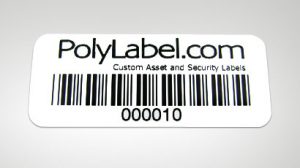 PolyAsset White
PolyAsset White
$135.00 – $495.00Select options This product has multiple variants. The options may be chosen on the product pageQuick View -
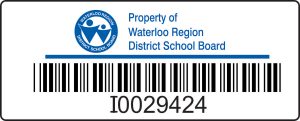 School Asset Labels
Student Laptop Property of Asset Labels
$380.00 – $1,750.00Select options This product has multiple variants. The options may be chosen on the product pageQuick View -
 Tamper Seals
Tamper Seal Chrome
$50.00 – $200.00Select options This product has multiple variants. The options may be chosen on the product pageQuick View -
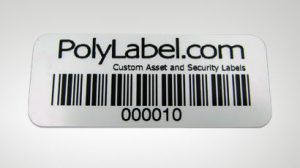 PolyAsset Platinum
PolyAsset Platinum
$135.00 – $495.00Select options This product has multiple variants. The options may be chosen on the product pageQuick View